Historical background
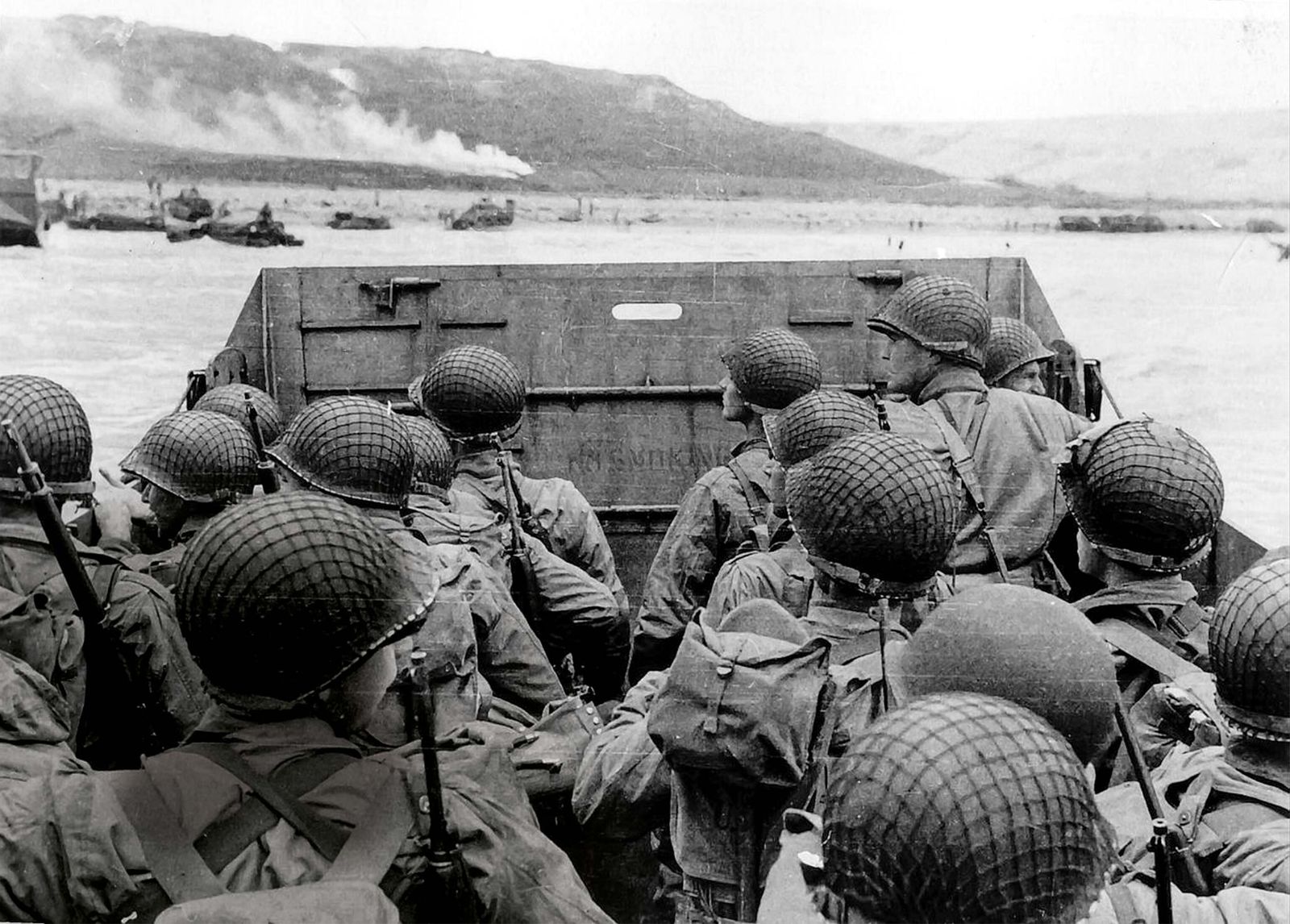
Almost 4 years had passed since the beginning of the war in Europe when the landing took place in Normandy on June 6th, 1944, commonly known as D-Day.
A long period during which the French population had been living under Nazi German occupation, deprived of freedom, displaced, oppressed, under curfew, and rationed…
D-Day was the starting point of the Battle of Normandy, which lasted until mid-September and claimed the lives of more than 20,000 Norman civilians. And Victory was not there yet… fierce fighting continued until VE Day, on May 8th, 1945.

Soldiers, sailors and airmen of the Allied Expeditionnary Force
You are about to embark upon the Great Crusade… the eyes of the world are upon you.
These are the first words from the Order of the Day, Eisenhower’s message to the troops of the Allied Expeditionary Forces on the morning of June 6, 1944.
Could he imagine, by pronouncing these words, that decades later, this operation would still be taught in military schools as the largest amphibious invasion in history, and that Normandy would continue to welcome millions of visitors from around the world to remember and honor the soldiers who fought and died to liberate Europe and bring an end to World War II?

By midnight on June 5, 1944, every plan had been made. Five beaches on the Normandy coast had been chosen and given the code names UTAH, OMAHA, GOLD, JUNO, and SWORD. The bombers were warming up on English airfields. The men were aboard their battleships, waiting for the order to cross the Channel.
The beginning of Operation Overlord
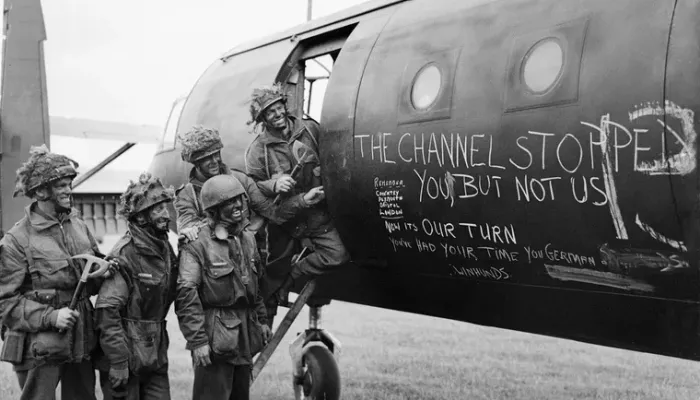
Just after midnight, the first British glider troops touched down beside the Caen Canal and seized what is now called Pegasus Bridge, firing the first shots of D-Day. Operation Overlord was launched.
American paratroopers from the 82nd and 101st Airborne Divisions began dropping behind the beaches (Sainte-Mère-Eglise and Carentan) an hour later, scattered by wind and flak across the Cotentin Peninsula.
Then at dawn, Operation Neptune, the amphibious part of Overlord, brought together over 156,000 troops, land, air, and sea forces from the United States, the United Kingdom, Canada and their allies, who stormed some fifty miles of coastline in this part of Northern France, beaches fiercely defended by the Germans.
An armada of nearly 7,000 vessels crossed the Channel that night. Almost 12,000 aircraft flew overhead.
The Atlantic Wall, the line of bunkers and obstacles Hitler had ordered built along Western Europe coast, was breached.
That was D-Day, the most photographed, filmed, written-about, and remembered day in modern military history.
The men who came ashore were only the leading edge: behind them in England, more than two million more were waiting to follow.
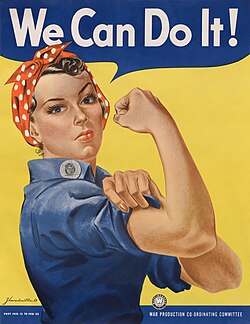
And this wouldn’t have been possible without the war effort made inland both in the UK, the US or Canada to support the front lines. Without ignoring the support of the French resistance, who paid a huge tribute to the Liberation.
The stakes could not have been higher. What was at stake was the war itself. The Allies had been pushing the Germans back from the south since the previous summer (through Sicily, up the Italian peninsula, into Rome two days before).
D-Day opens a second front
D-Day opened a second front. But the day itself did not decide the war.
Caen, a first-day objective, would not fall for another six weeks. The hedgerow country of Normandy, the bocage, with its thick earthen walls and sunken lanes, turned into a slow, grinding contest that bled both sides through the summer.
The Falaise Pocket did not close until late August. And Paris was not liberated until August 25.
D-Day made all of the events that followed possible. Without the foothold that was established on June 6, none of the rest would have happened…
From memory to history…
82 years later, the beaches are still there. The cemeteries are still there. The hedgerows are still there too. And you can walk all of them.
The veterans are now passing away one after another.
Every year, anniversaries pay tribute to their sacrifice. But then, once the party is over, what do we do to remember them ? What do we do to think about wars ?